STEAM in Every Setting
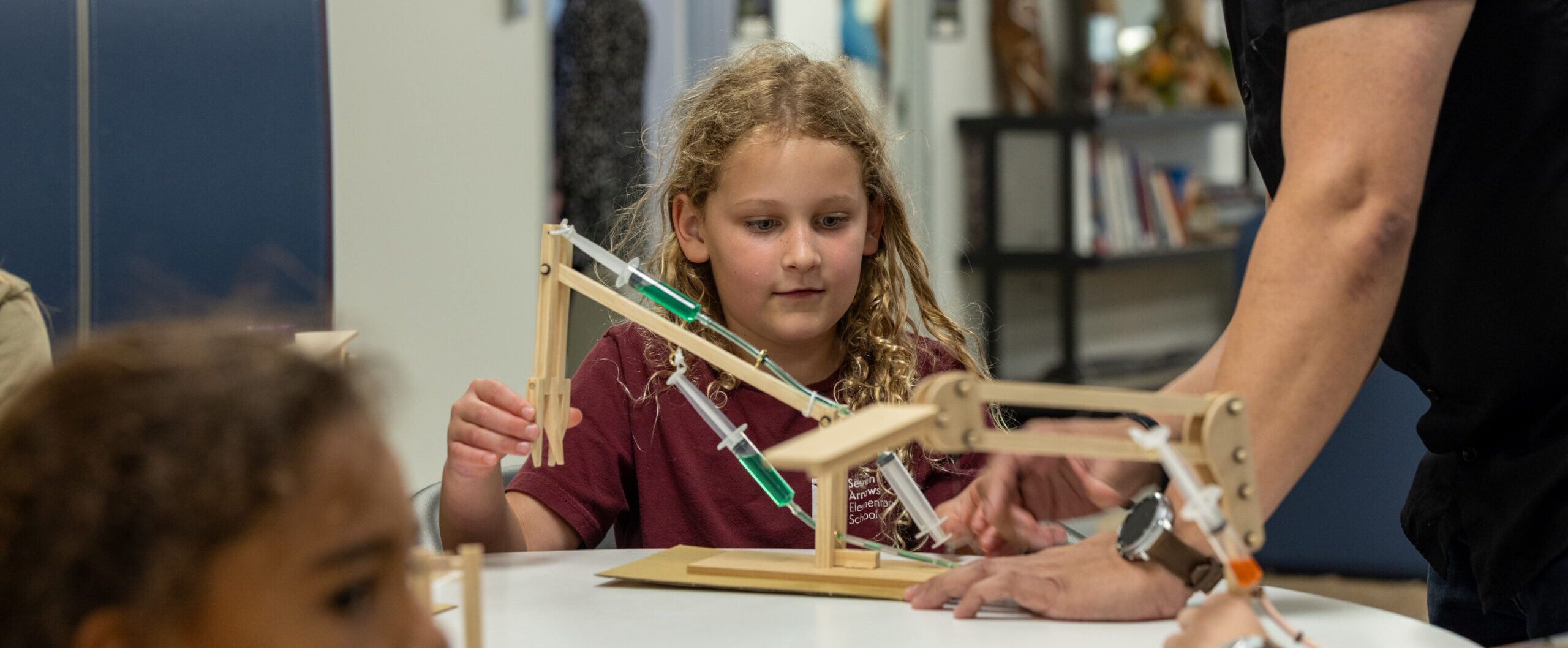
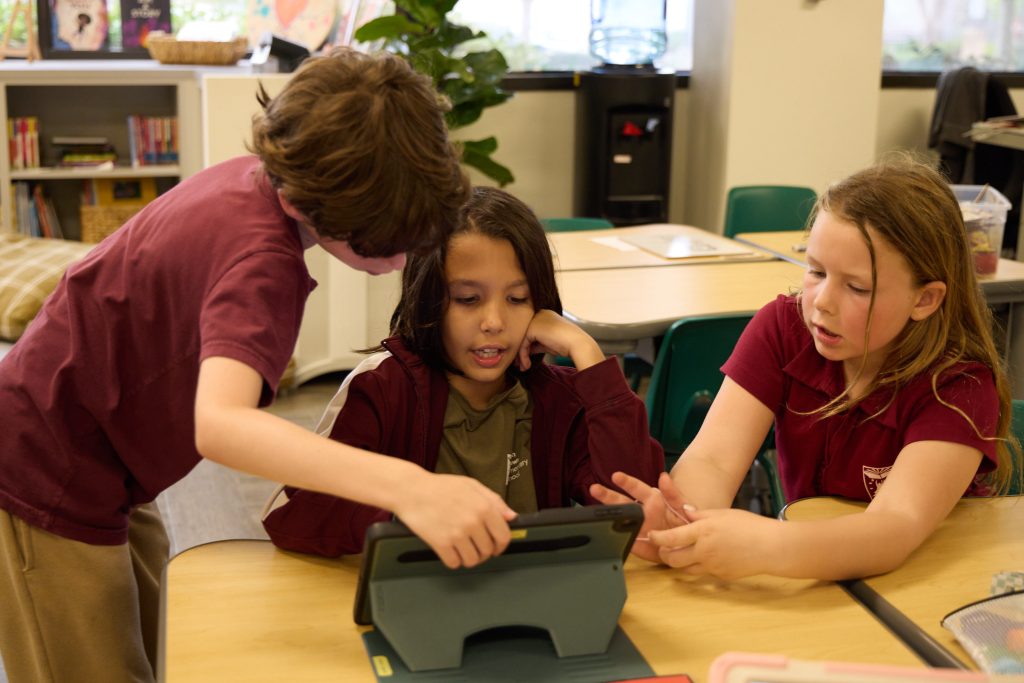
STEAM classes go beyond the simple mastery of required content and focuses on developing students into inspired and passionate science learners, equipped to solve problems and address challenges that affect human life on Earth. The program encourages interactive engagement: approaching problems by designing and testing ideas, reflecting on the outcomes, and redesigning to achieve better results. The “maker mindset” supports Carol Dweck’s “growth mindset” and asks, “What can you do with what you have learned?”
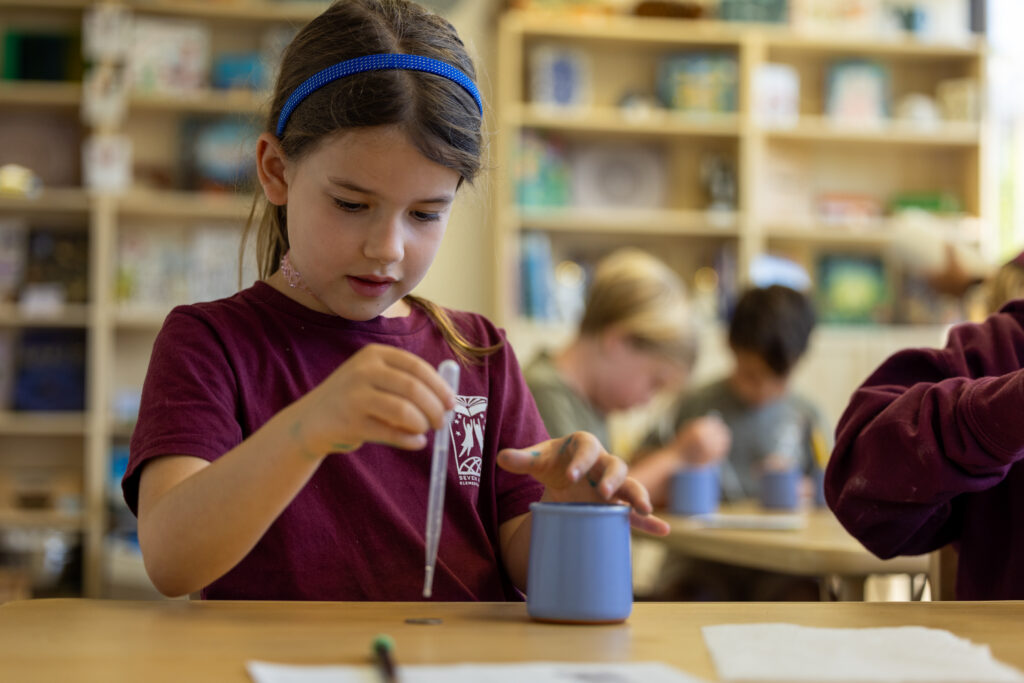
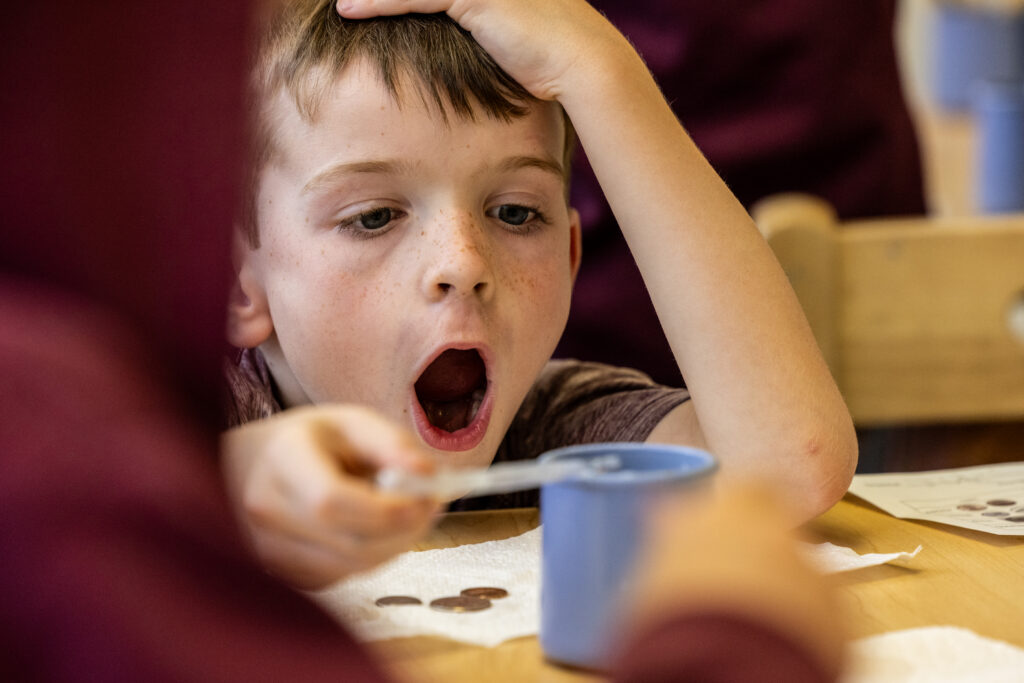
Our STEAM curriculum helps develop science literacy through the 5E method: engage, explore, explain, elaborate, and evaluate. Students learn to make observations, inferences, and analyses and to ask questions, conduct experiments, revise theories, and become immersed in inquiry-based hands-on practices.
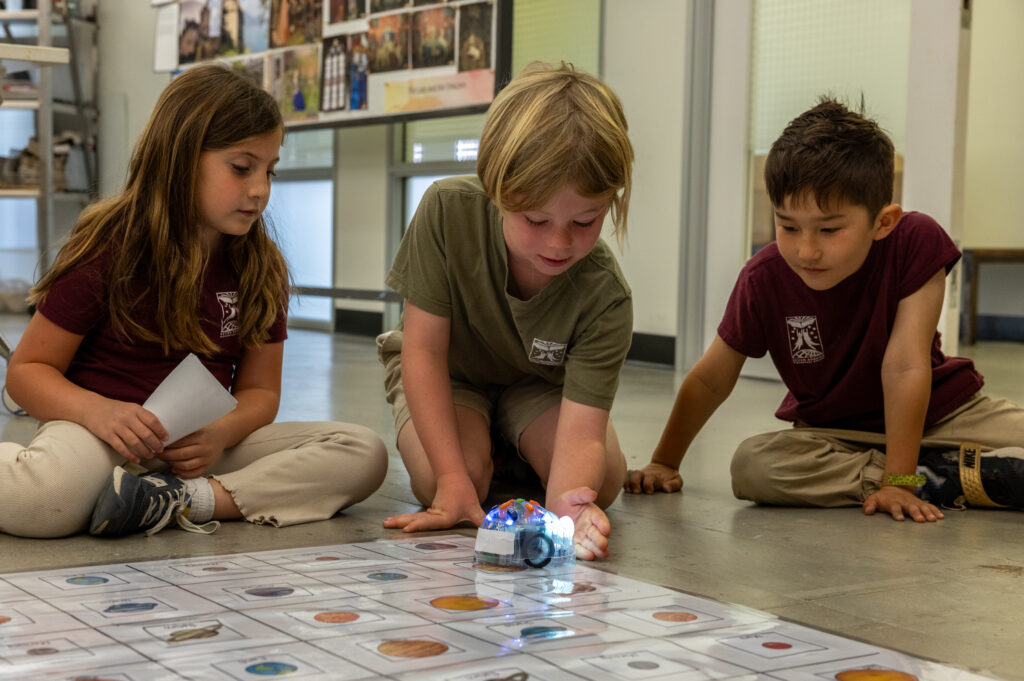
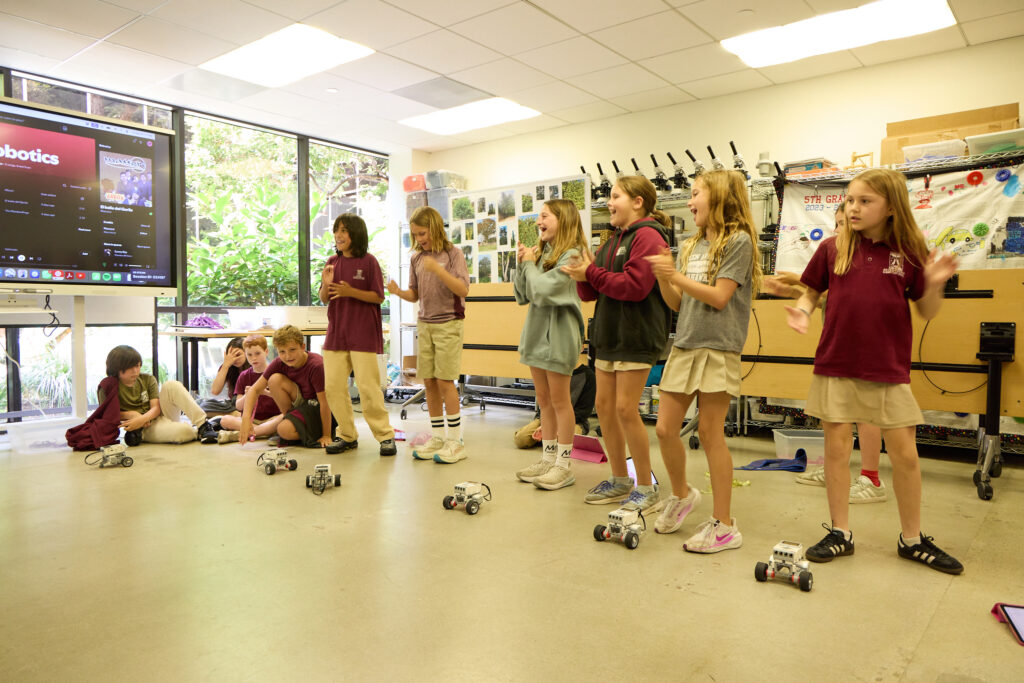
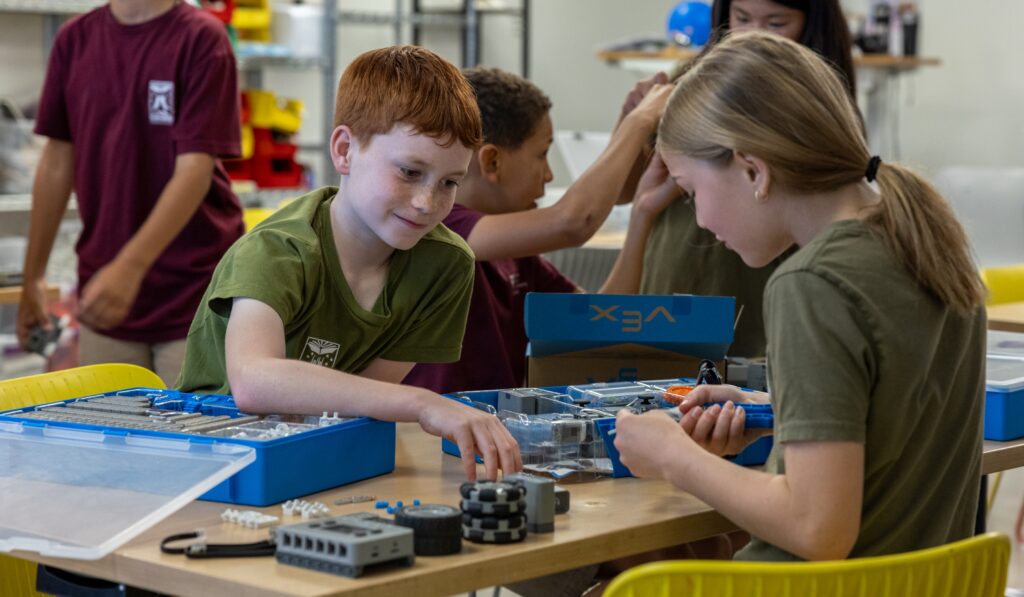
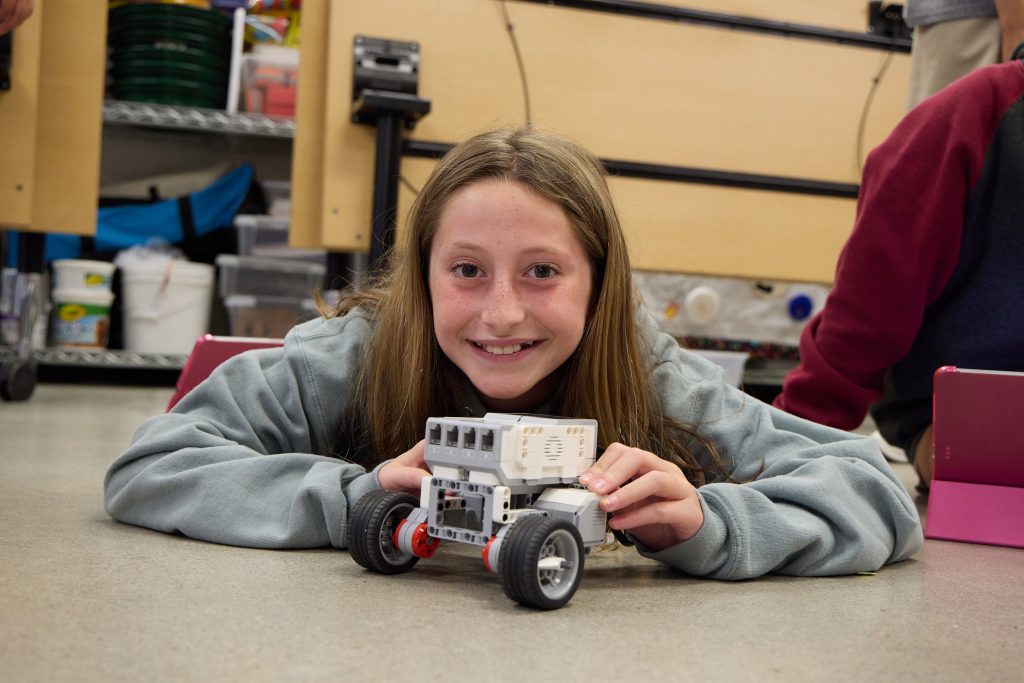
Technology is infused into virtually every lesson, as a means of discovery, as a method of research and data recording, for electronic resource skill building or simulation, or as a method of presentation. To expand the engineering component of STEAM, all grades are exposed to robotics and programming.


BEYOND THE CLASSROOM, we strive to build a dynamic, ongoing relationship between our students and the world. Central to this goal is our unique Environmental Outdoor Education (EOE) program, which offers students from kindergarten through sixth grade hands-on opportunities to apply scientific principles in nature.
From nature hikes in kindergarten to a week-long adventure in Yosemite for sixth graders, from classes at the beach to visits to the La Brea Tar Pits, and from working in the Edible Garden to having P.E. classes at the park, our students experience countless ways to engage with the natural world.
Jane Goodall
Inspired by Dr. Jane Goodall’s activism, we prioritize nurturing a profound connection to nature. Our science program encourages students to explore and learn in the great outdoors, fostering an appreciation for the environment and a deeper understanding of their role in protecting it.
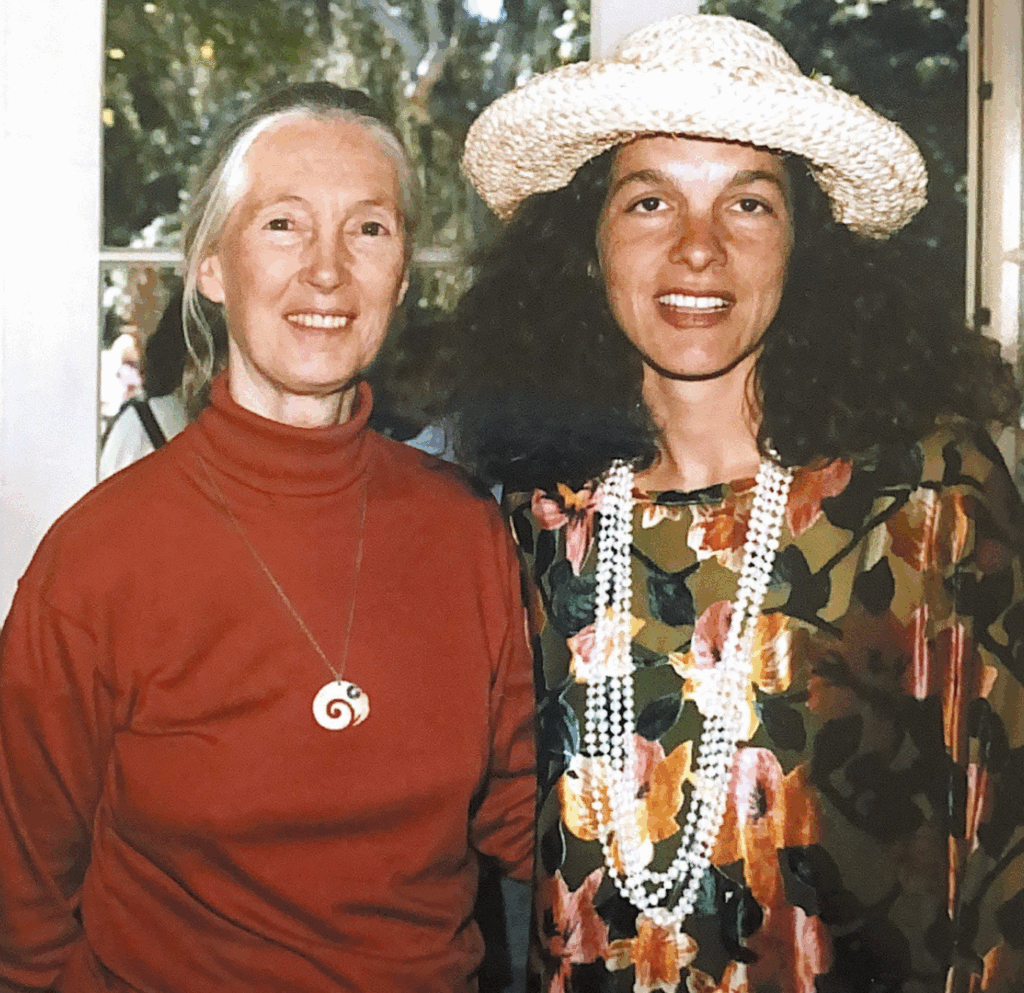
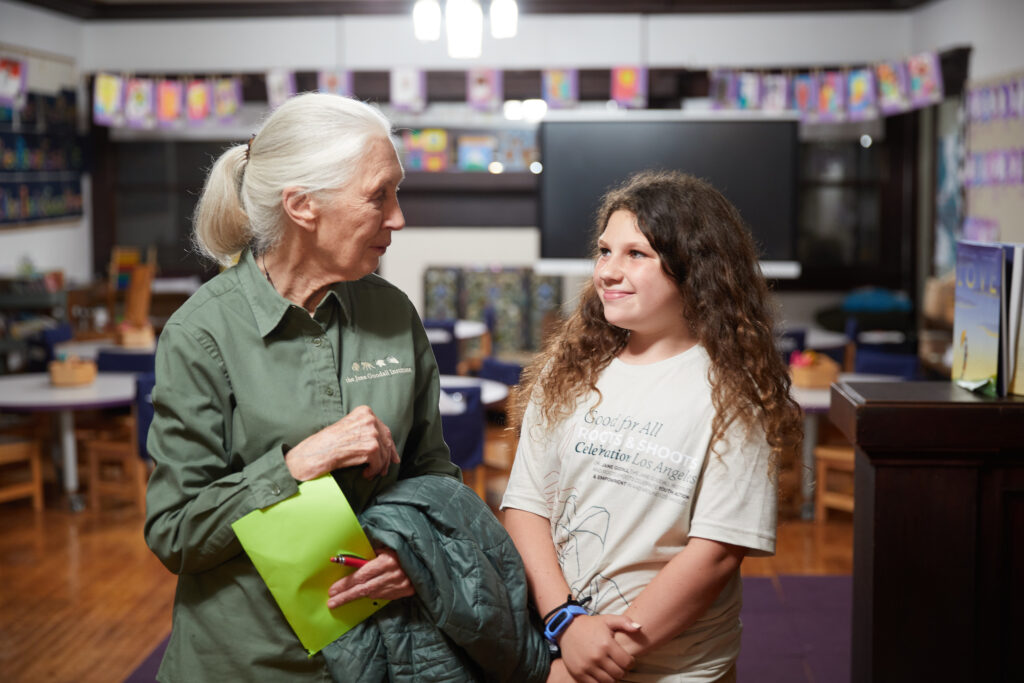
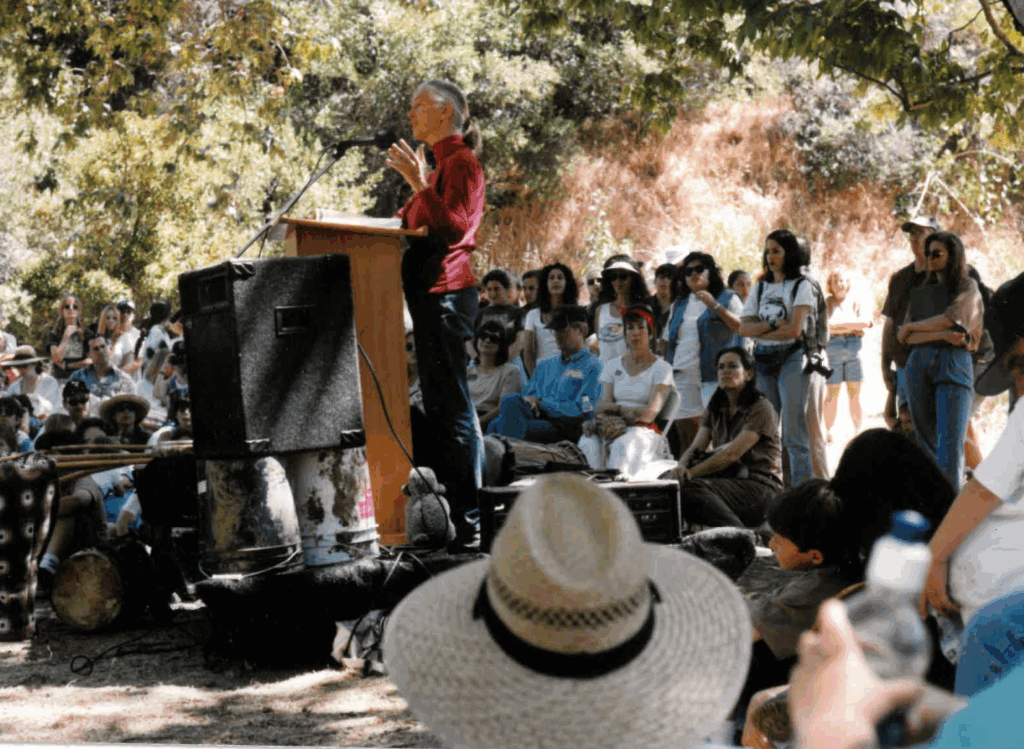
Seven Arrows had the great honor of hosting Dr. Jane Goodall at our school. Her trailblazing work with chimpanzees completely transformed the world of science. Dr. Jane’s dedication to peace, conservation, and action has inspired us all! Most importantly, her visit made our students feel empowered and energized to create a better world for future generations.
Dr. Jane’s teachings have been a foundational piece of our community since the beginning. In fact, twenty-eight years ago, Dr. Jane visited Temescal Canyon, where she made a profound impact on Seven Arrows Founder Margarita Pagliai. Many core tenets of Dr. Jane’s work can be found in our Seven Arrows curriculum.



Oceanography in Sixth Grade
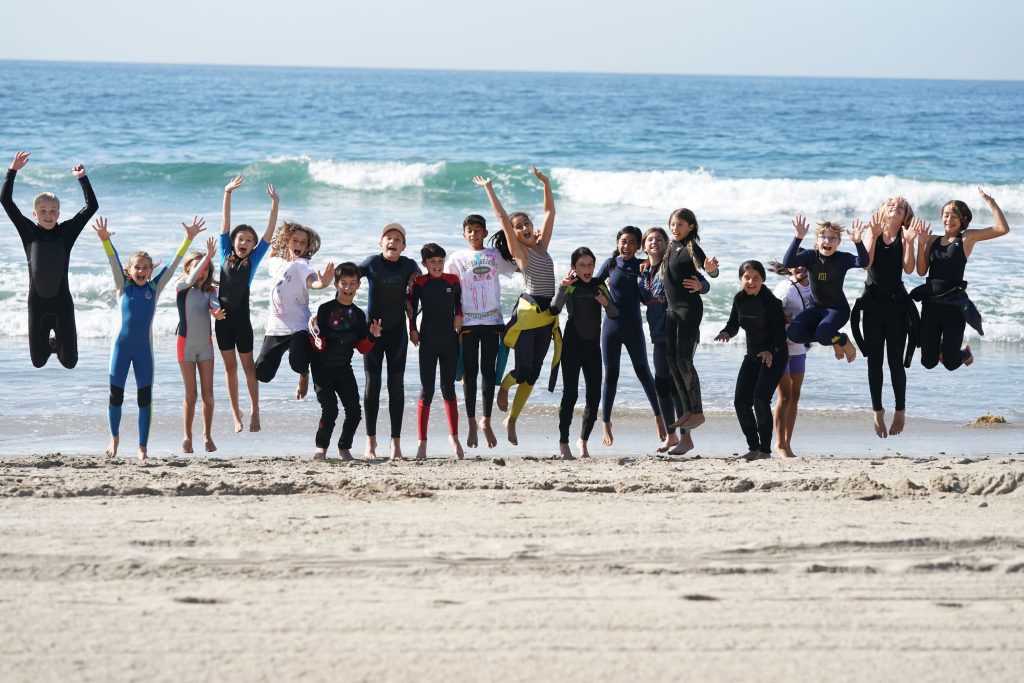
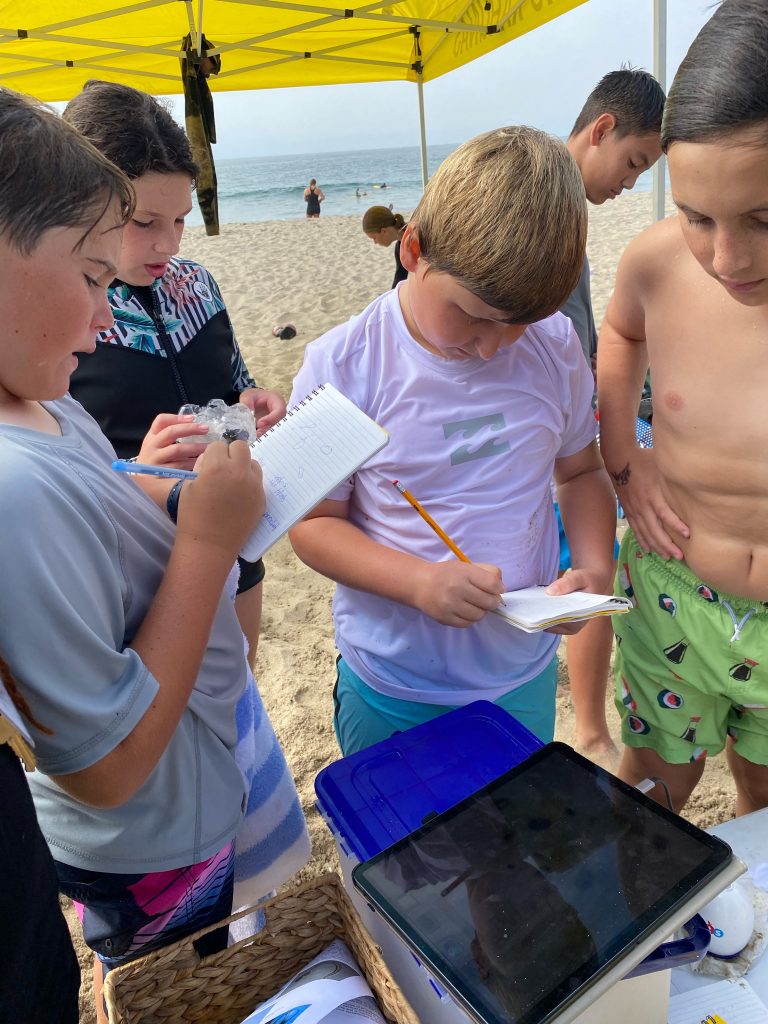
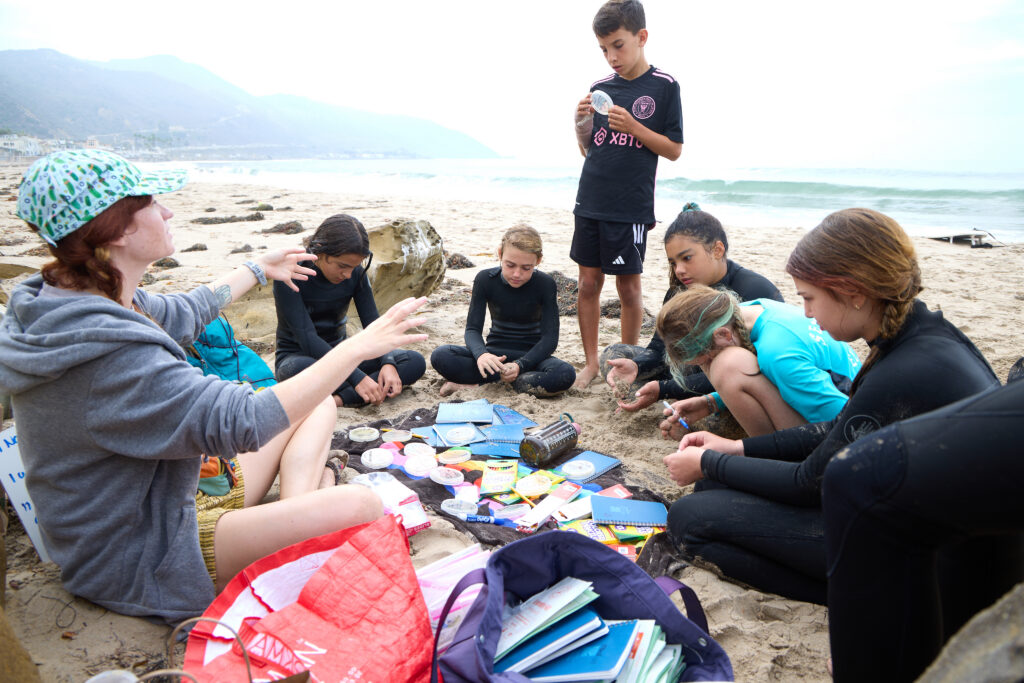
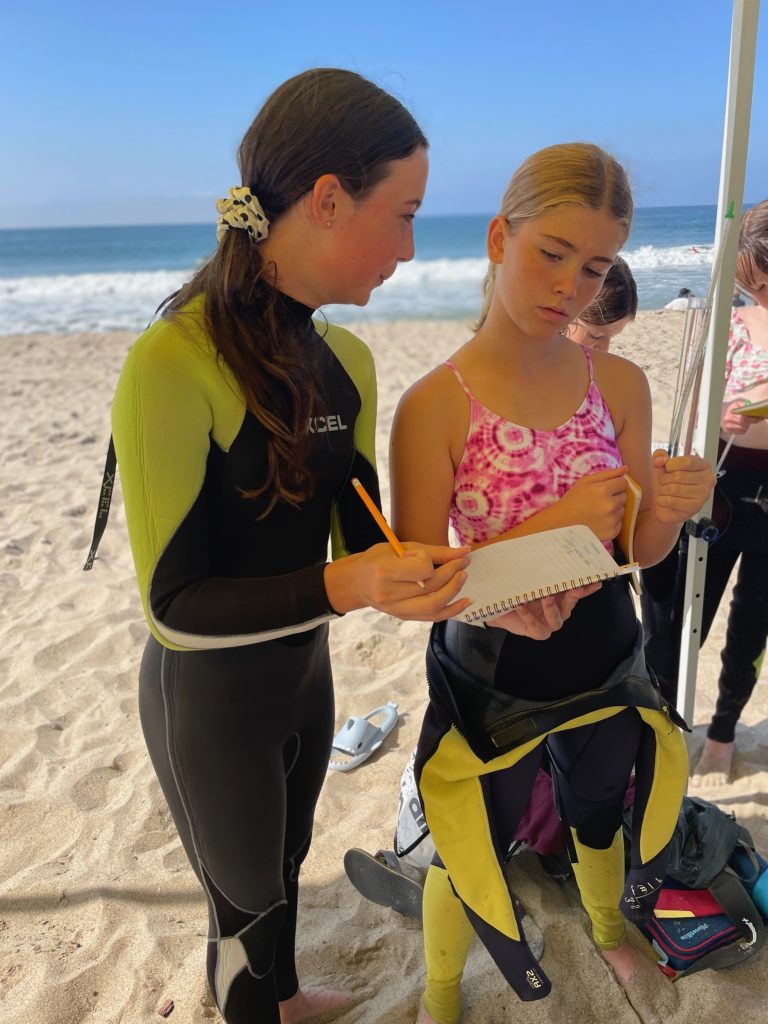
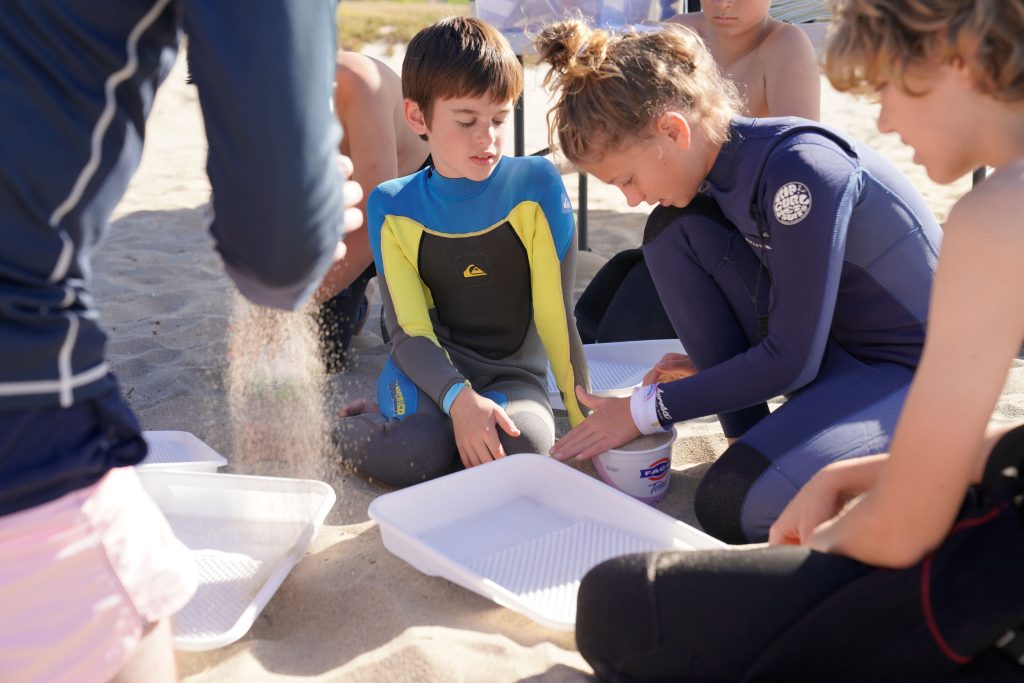
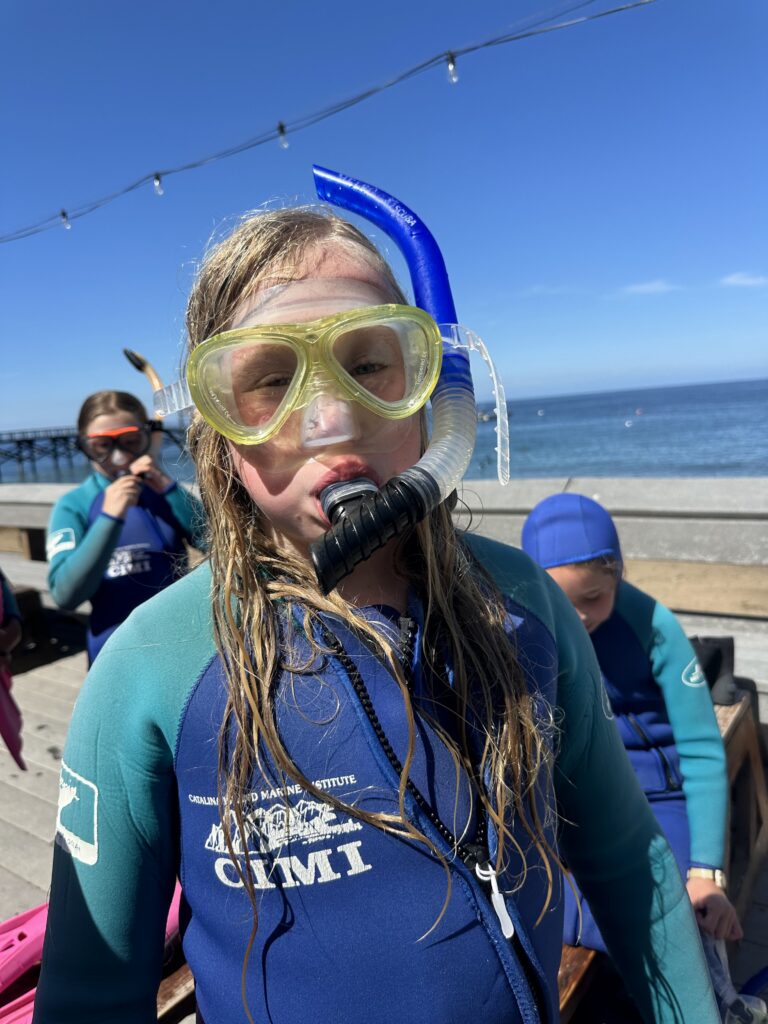
One of the most impactful aspects of EOE is the Oceanography unit at the start of Sixth Grade. During a weeklong EOE trip to Santa Barbara, our sixth graders head down to the beach, where they split their time between hands-on STEAM projects and learning to surf.
In STEAM, students dive into ocean science by building and testing watersheds, designing plankton nets, testing water for microplastics, and more. During surf sessions, they learn resilience and tackle personal challenges. Under the guidance of our expert instructors, students take risks, face new experiences, and conquer fears. This powerful combination of outdoor learning and character development consistently stands out as a favorite memory among our alumni.


Outdoor Education
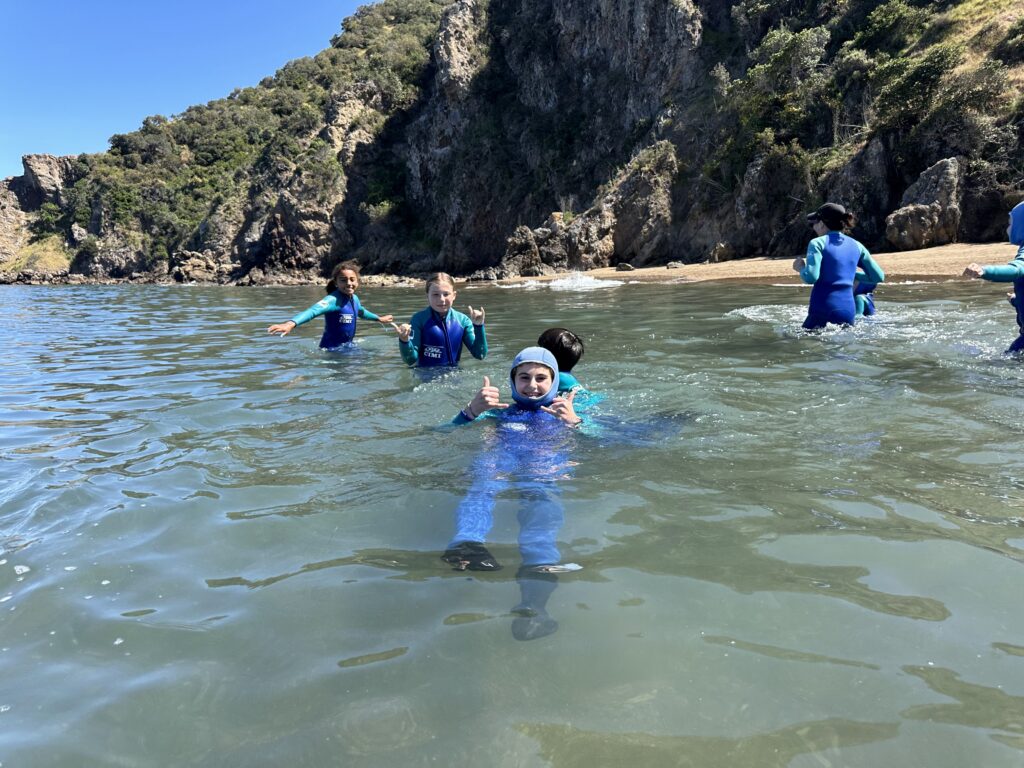
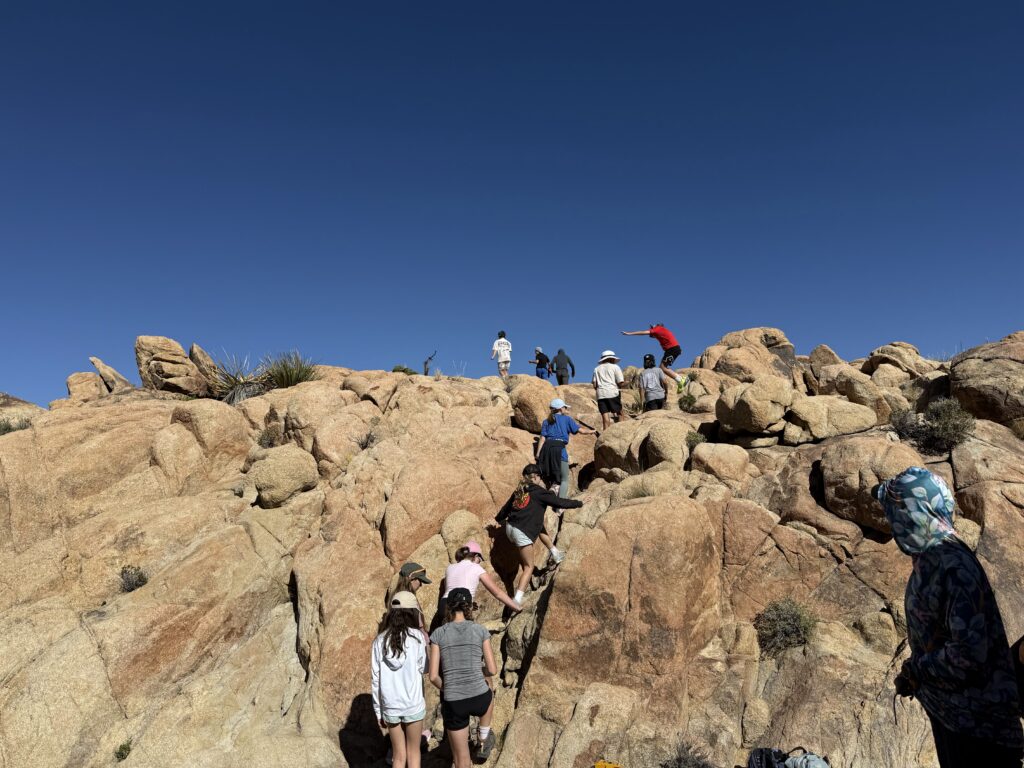
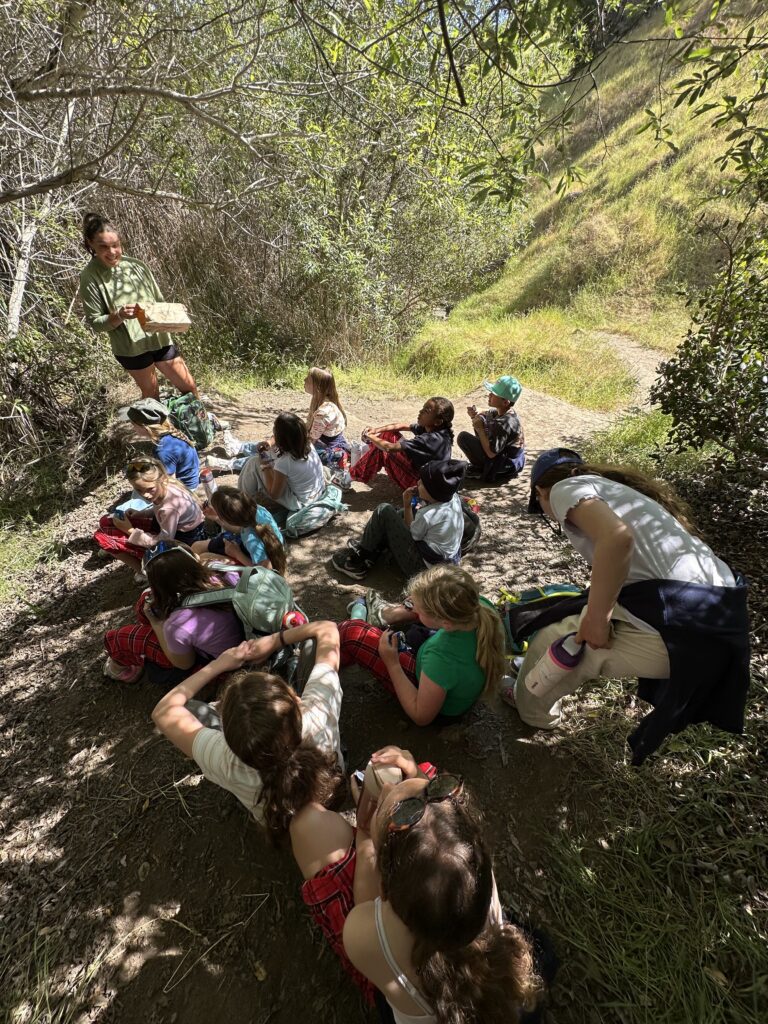
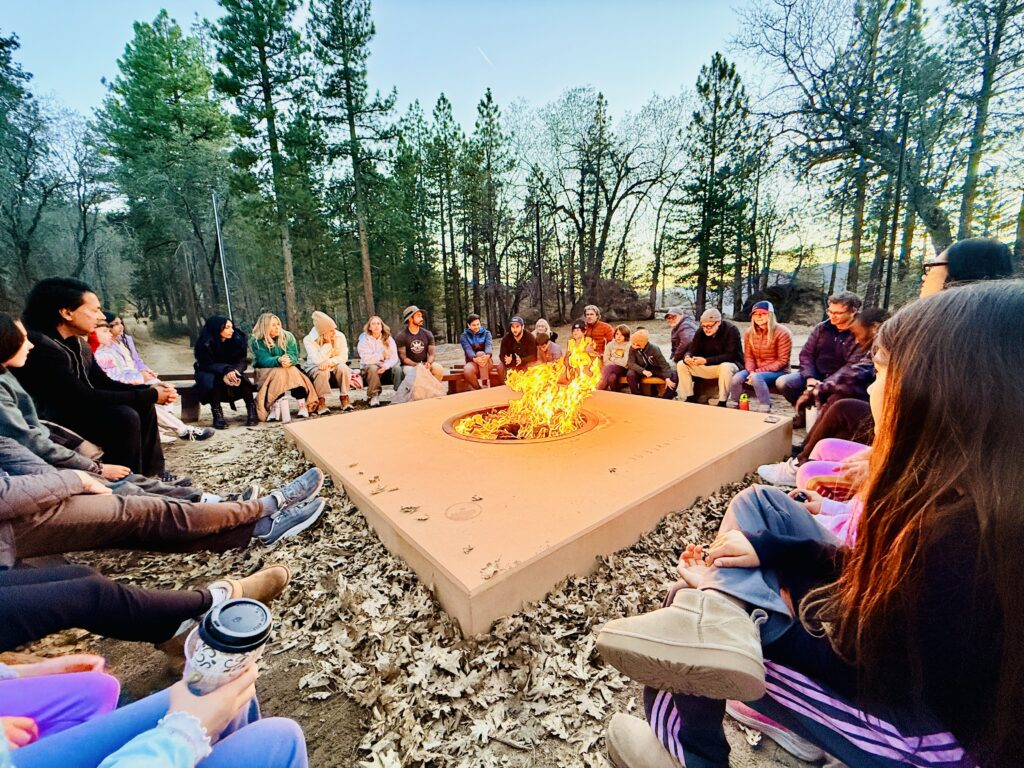
The EOE program lets students experience nature, develop trust in others, and build teams while practicing cooperation and group problem-solving. Depending on age level, they go on day hikes, field trips, or overnight trips to locations throughout California. When we ask our Alumni what they remember most about their Seven Arrows experience, these trips are referenced constantly as memories that inspire academic growth, overcoming personal challenges, and bonding as classmates.
Annual EOE Trips by Grade:
-
Kindergarten – Second Grade: day trips to Temescal, the beach, and more.
-
Third Grade: Big Bear for one night
-
Fourth Grade: Catalina for two nights
-
Fifth Grade: Joshua Tree for three nights
-
Sixth Grade: Santa Barbara and the Channel Island for Oceanography and Yosemite, each for five nights.


Edible Garden
Seven Arrows is an environmentally conscious school. Since its founding, it has been proactive in a host of sustainable initiatives, including cultivating edible vegetables on school property. Thanks to the dedication of our founding families and educators to cultivating healthy and environmentally conscious children, our school has a long tradition of guiding students in understanding their relationship to nature and the cycles of the natural world.
The leadership and inspiration of Jamie Oliver, master chef and food revolutionary and a former Seven Arrows parent, have energized the school’s efforts to change the way we think about food and how food systems work (from production to distribution to cooking and eating what we grow). Jamie Oliver’s strategy for creating a worldwide food transformation begins with changing the relationship Americans have with food. Seven Arrows is proud to be at the forefront of this good-food movement with its on-campus edible garden, created in the spring of 2015.
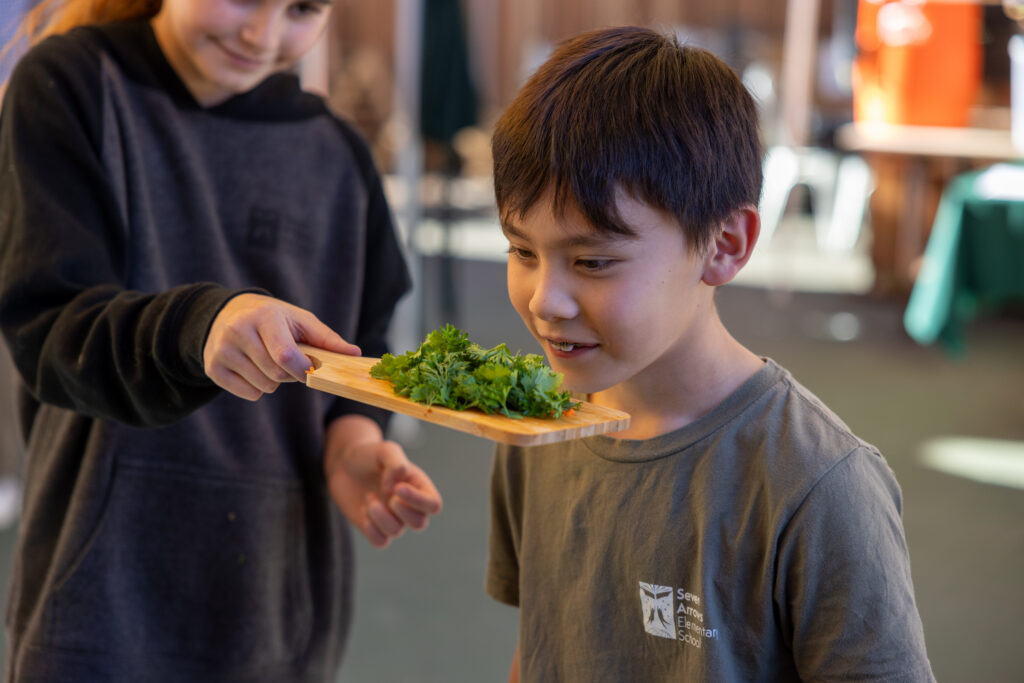
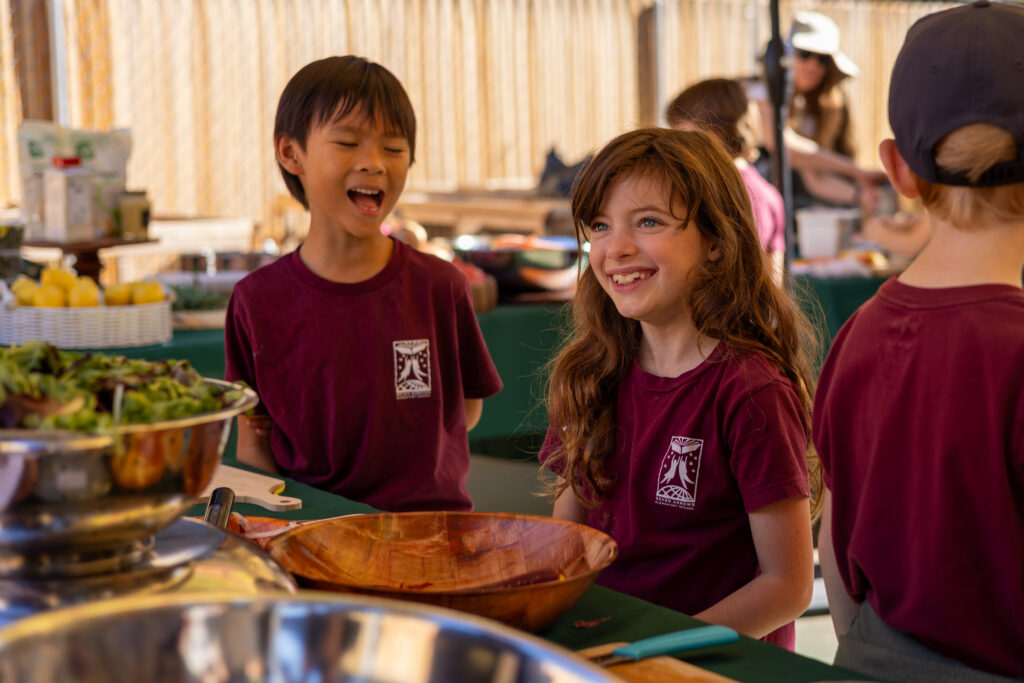
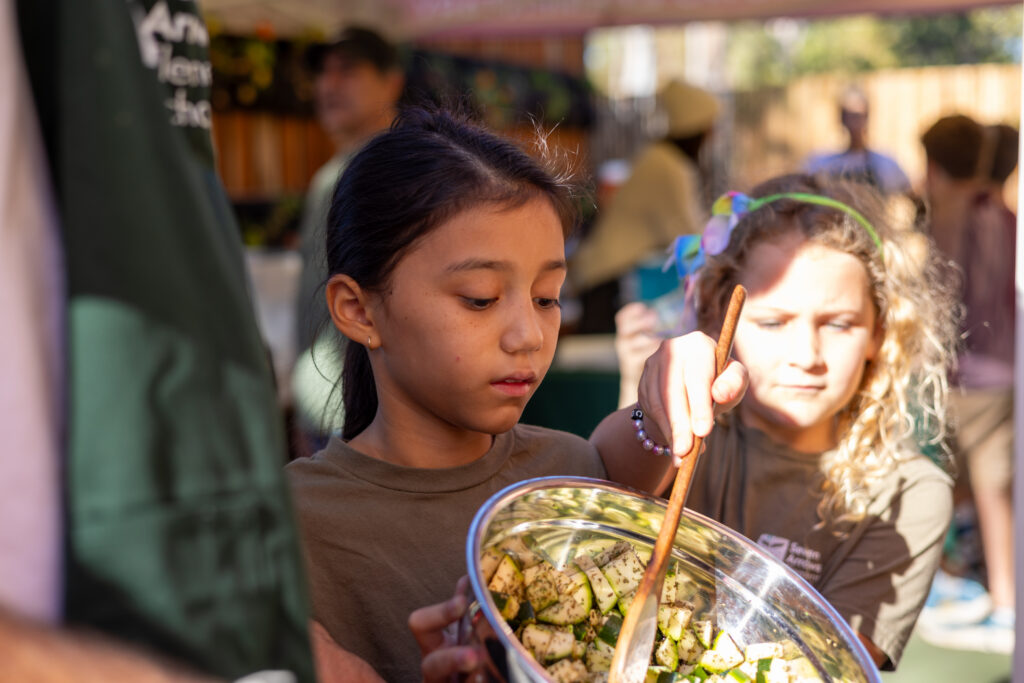
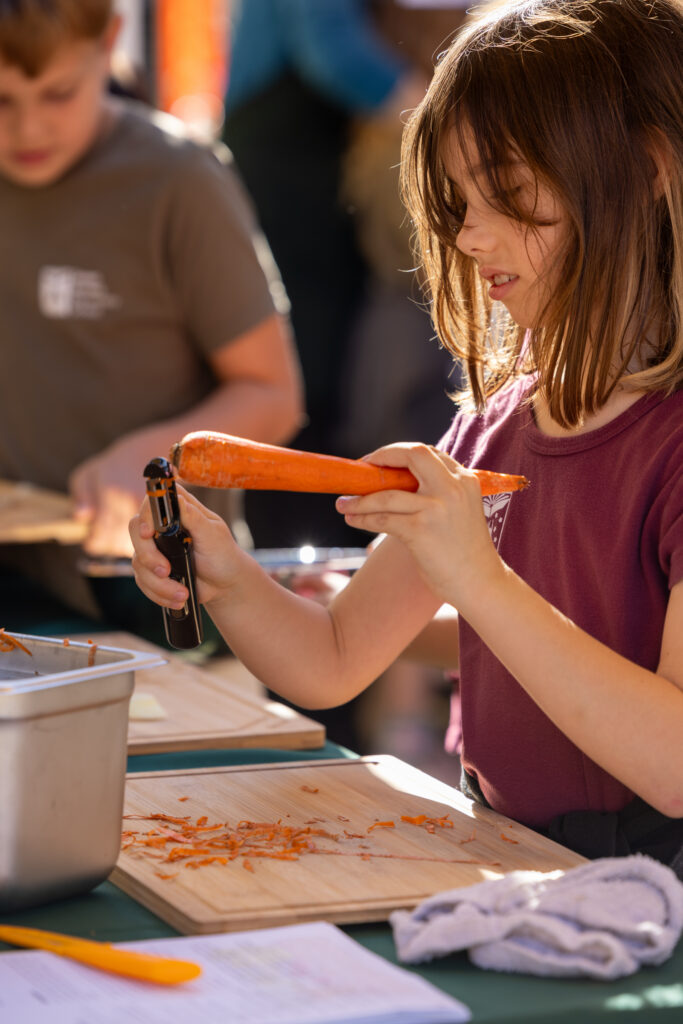
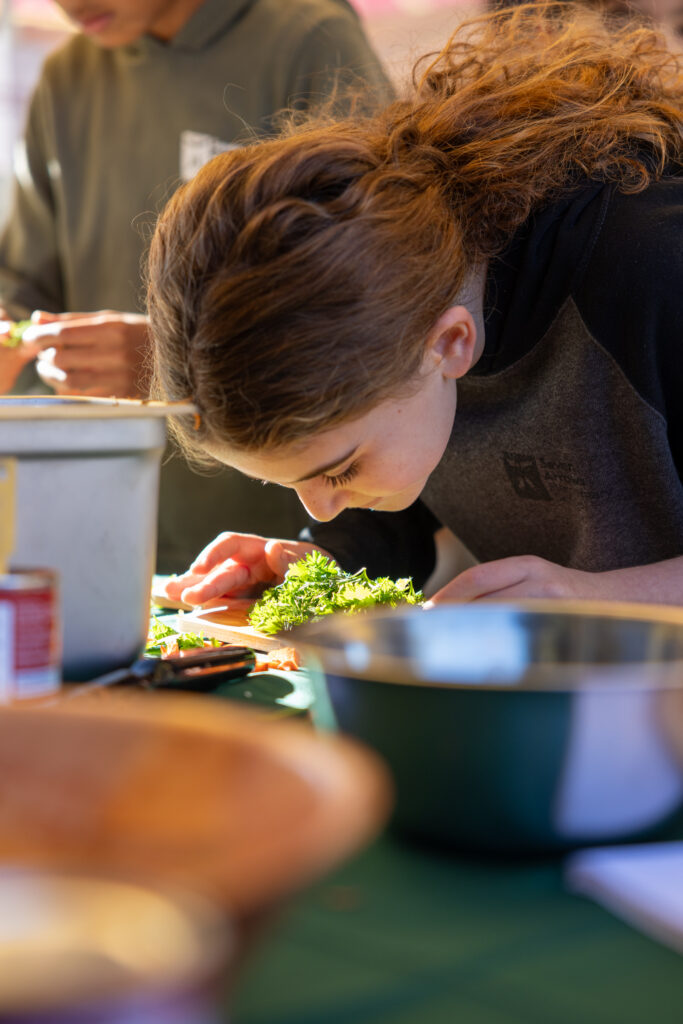
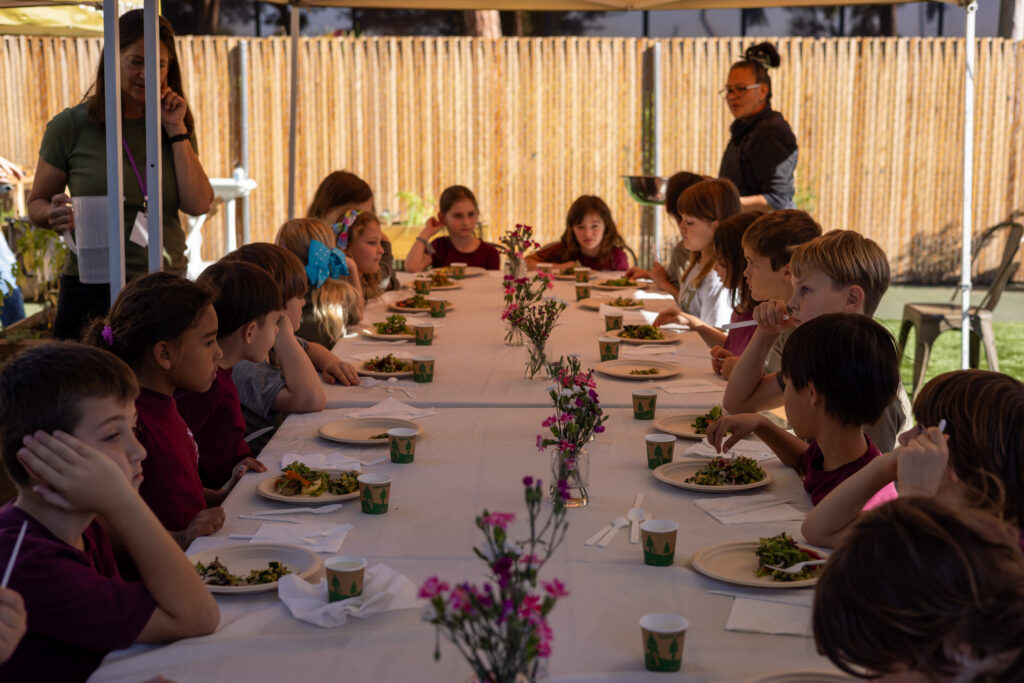
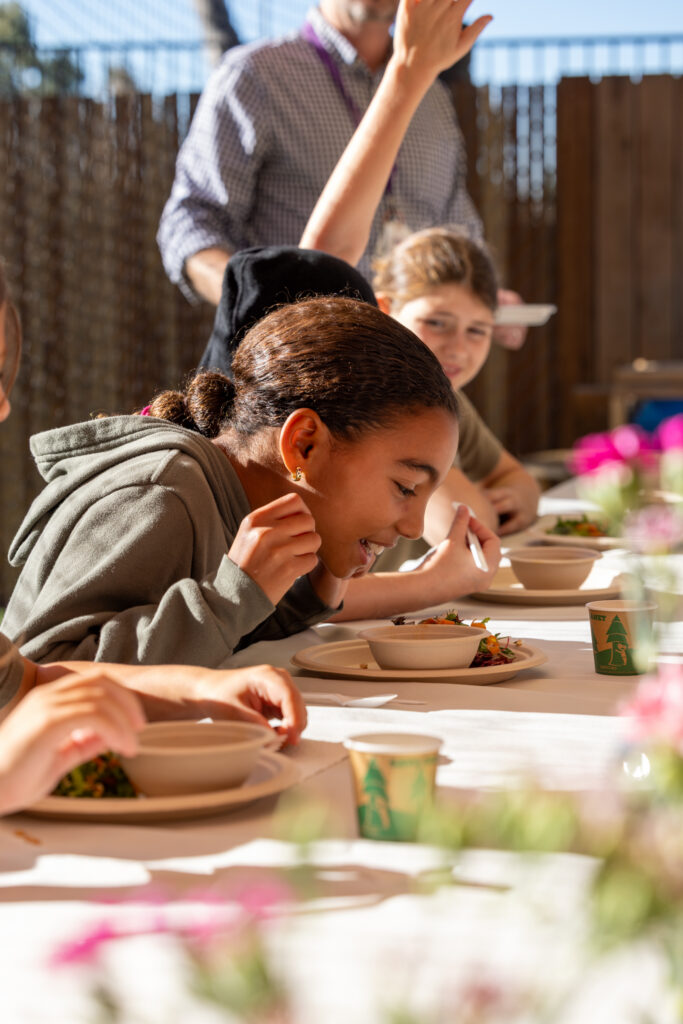
The Edible Garden is an outdoor classroom that is integrated into our science, Service Learning, Spanish, math, and Global Cultures curricula. Our students plant, harvest, cook, and eat the “fruits” of their labor, gaining hands-on experience that will leave a lifelong imprint on their relationship to food, water, and the natural world.
With the power of our community behind us, Seven Arrows can achieve exceptional things. This shining example of sustainable living would not have been possible without the vision and hard work of our parent community.